How to Choose the Right OEM Manufacturer in India
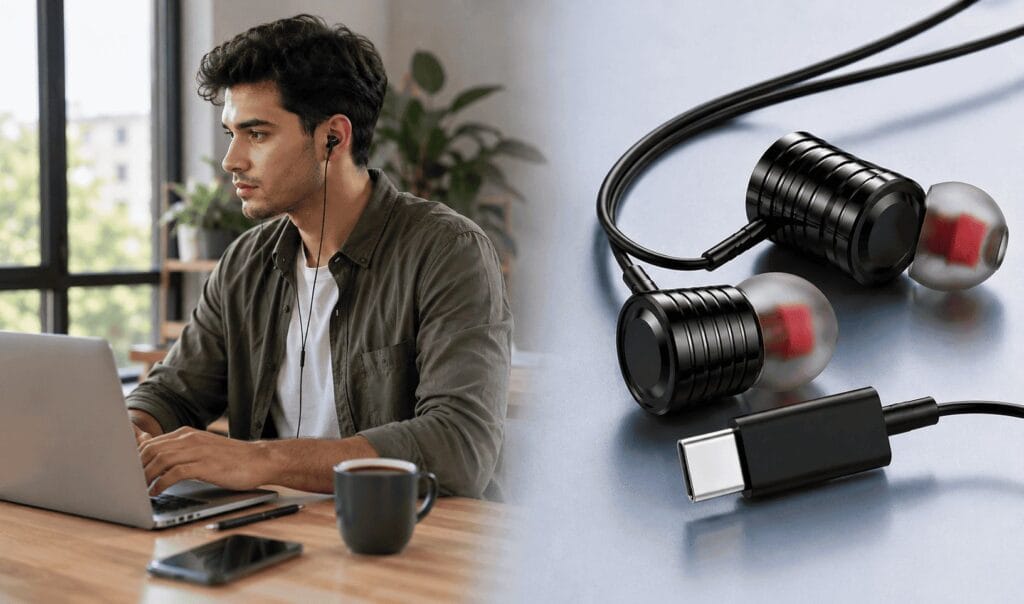
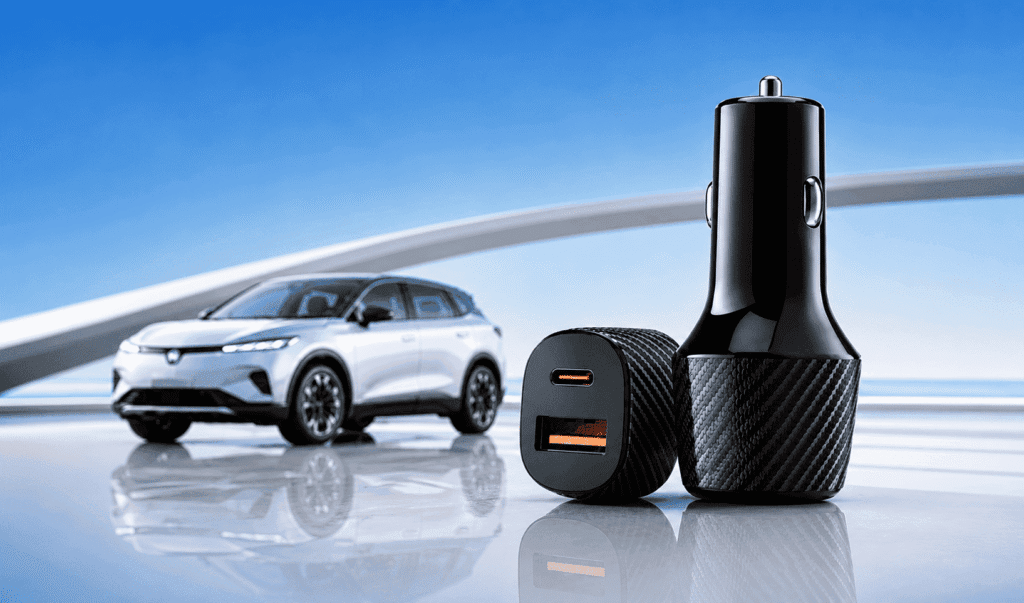
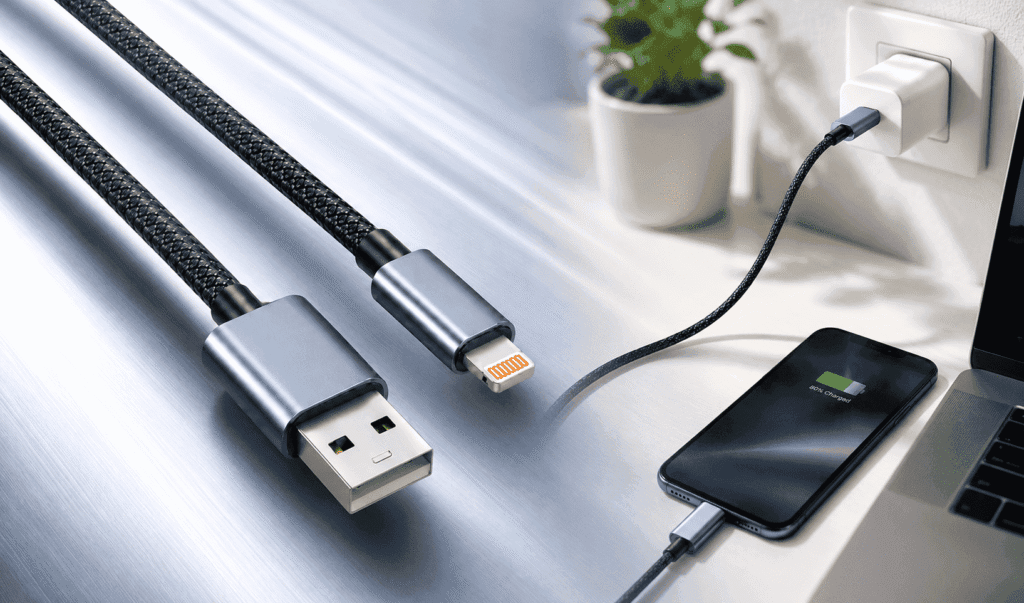
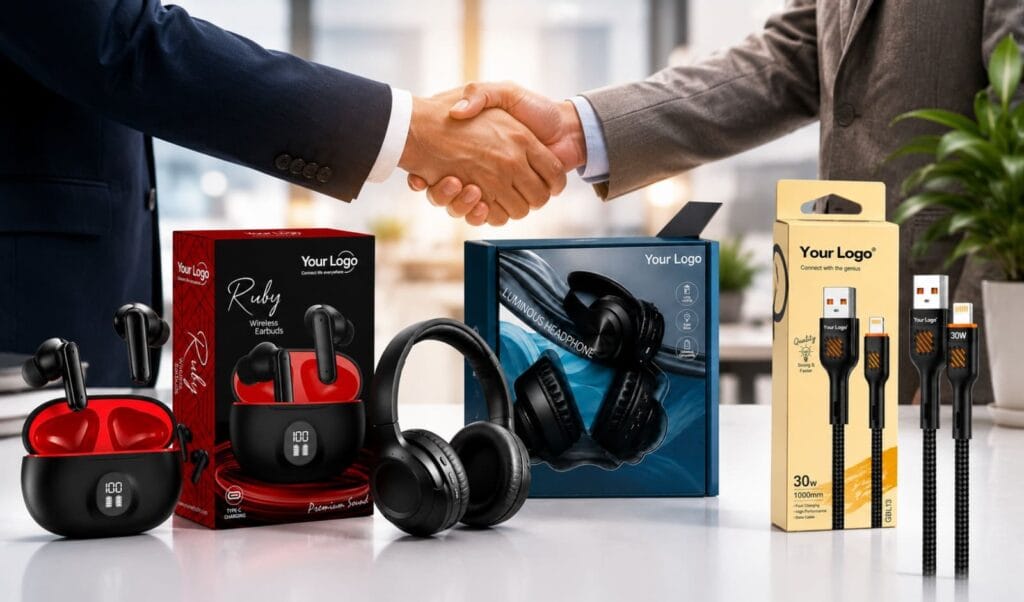
Right OEM manufacturer in India is one of the most important decisions for any business planning to launch products under its own brand. Whether you are a startup, retailer, distributor, e-commerce seller, importer, exporter, or an established brand, your OEM manufacturing partner directly affects product quality, pricing, delivery timelines, customization, packaging, and ultimately your brand reputation. India has a growing manufacturing ecosystem across electronics, mobile accessories, consumer products, automotive components, electrical products, and many other industries. However, not every manufacturer offers the same production capabilities, quality standards, MOQ, customization options, or after-sales support. This guide explains how to choose an OEM manufacturer in India, what questions to ask, what factors to compare, and which mistakes to avoid before placing a bulk manufacturing order. What Is an OEM Manufacturer? OEM stands for Original Equipment Manufacturer. An OEM manufacturer produces products or components according to another company’s requirements, which can then be sold under that company’s brand. Depending on the manufacturer and product category, OEM services may include product manufacturing, specification customization, logo printing, private label branding, packaging customization, bulk production, quality testing, and product development. For businesses that do not want to establish their own manufacturing facility, working with an OEM partner can provide a practical way to introduce branded products to the market. Why Choosing the Right OEM Manufacturer Matters Your manufacturer is not simply a supplier. The manufacturer becomes an important part of your supply chain. If product quality is inconsistent, customers associate the problem with your brand rather than the factory producing the product. Similarly, production delays can affect product launches, inventory availability, distributor relationships, marketplace performance, and customer satisfaction. A reliable OEM manufacturing partner can help you maintain consistent product quality, control costs, develop customized products, manage production timelines, and scale manufacturing as your business grows. Step 1: Define Your Product Requirements Before searching for an OEM manufacturer in India, clearly define what you want to manufacture. Prepare basic requirements such as product category, specifications, materials, features, colors, branding requirements, packaging, estimated quantity, target price range, and expected delivery timeline. For example, if you are looking for an OEM mobile accessories manufacturer, specify whether you need wireless earbuds, Bluetooth speakers, chargers, charging cables, neckbands, wired earphones, headphones, car chargers, or mobile stands. The clearer your requirements are, the easier it becomes to compare manufacturers accurately. Step 2: Check the Manufacturer’s Product Specialization Not every factory is suitable for every product. A manufacturer specializing in charging products may have different equipment, testing processes, technical expertise, and supply chains compared with a manufacturer specializing in audio products. Look for manufacturers with relevant experience in your required product category. For mobile accessories, this could include expertise in categories such as: Wireless earbuds Bluetooth speakers Neckbands Headphones Wired earphones Mobile chargers Car chargers Charging cables Multi charging cables Mobile stands Relevant specialization can make product development and quality control easier. Step 3: Evaluate Manufacturing Capabilities Before finalizing an OEM supplier, understand what the company can actually manufacture or customize. Ask about production capacity, available machinery, assembly capabilities, quality-control procedures, packaging facilities, customization processes, and monthly production capacity. You should also understand which operations are completed internally and which are outsourced. This information can help you evaluate whether the manufacturer can support your current order quantity as well as future growth. Step 4: Ask About OEM and ODM Services OEM and ODM are related but different manufacturing models. OEM manufacturing generally focuses on producing products according to the buyer’s specifications or branding requirements. ODM manufacturing can involve greater product design and development support. If you only need an existing product with your logo and customized packaging, an OEM or private label solution may be sufficient. If you want significant changes in design, features, specifications, materials, or functionality, discuss ODM capabilities with the manufacturer. Choosing the appropriate manufacturing model can save both time and development costs. Step 5: Check Custom Branding Options Branding is especially important when you plan to sell products under your own name. Ask whether the manufacturer provides custom logo printing on the product itself. Depending on the product and manufacturing process, branding options may include logo printing, engraving, model-name printing, custom colors, labels, and other brand-specific elements. Request samples or photographs of previous branding work to understand the expected printing quality. Your logo should remain consistent and clearly visible across your product range. Step 6: Check Private Label Packaging Options Packaging plays an important role in product presentation and customer experience. A professional OEM manufacturer may provide private label packaging options such as custom boxes, product inserts, labels, manuals, stickers, barcodes, and other packaging elements. Ask about minimum quantities for customized packaging because packaging MOQ may differ from the product MOQ. Also confirm who will prepare the packaging artwork and what file formats or dimensions are required. Step 7: Understand the Minimum Order Quantity MOQ stands for Minimum Order Quantity, which is the minimum quantity a manufacturer is willing to produce for a particular order. MOQ can depend on the product, customization level, raw materials, packaging requirements, and production process. A simple logo customization on an existing product may have a different MOQ from a completely customized ODM product. For startups and new brands, flexible MOQ can be particularly useful because it allows initial market testing without excessive inventory investment. However, the lowest MOQ should not be the only reason for selecting a manufacturer. Step 8: Always Request Product Samples Samples are one of the best ways to evaluate an OEM manufacturer’s capabilities. Never judge product quality only through photographs, videos, catalogues, or quotations. Order samples and test them yourself. For electronic products, check build quality, functionality, performance, materials, durability, packaging, and overall finishing. For audio accessories, evaluate sound quality, microphone quality, connectivity, battery performance, controls, and comfort. For charging products, evaluate charging performance, connector quality, compatibility, construction, and heat management. Sample testing can identify potential problems before you commit to bulk manufacturing. Step 9: Compare Product Quality, Not Just Price One of the most common mistakes businesses
How to Choose the Right OEM Manufacturer in India Read More »