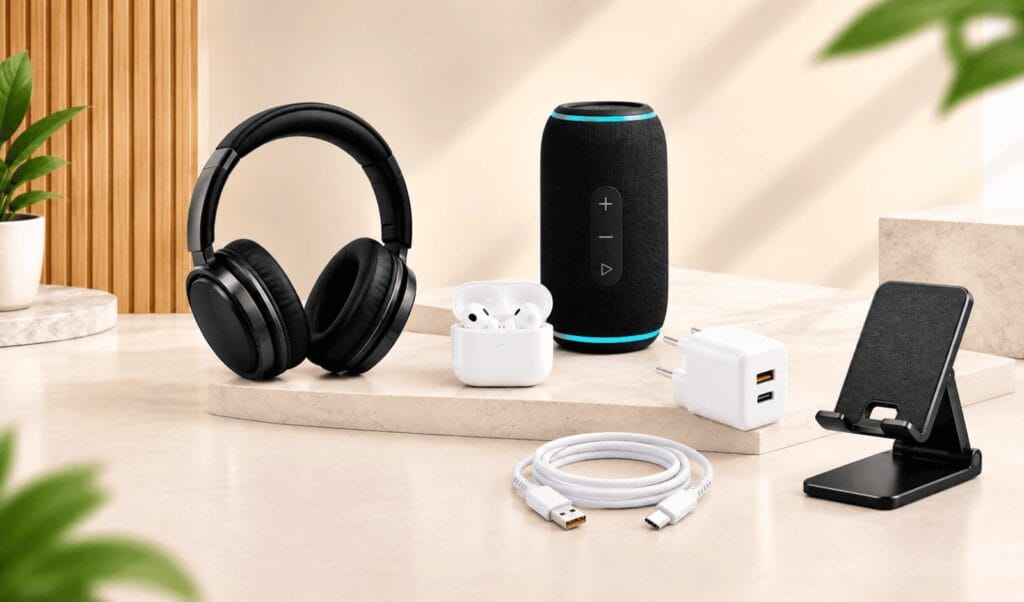
OEM Mobile Accessories: How to Select Products for Your Brand
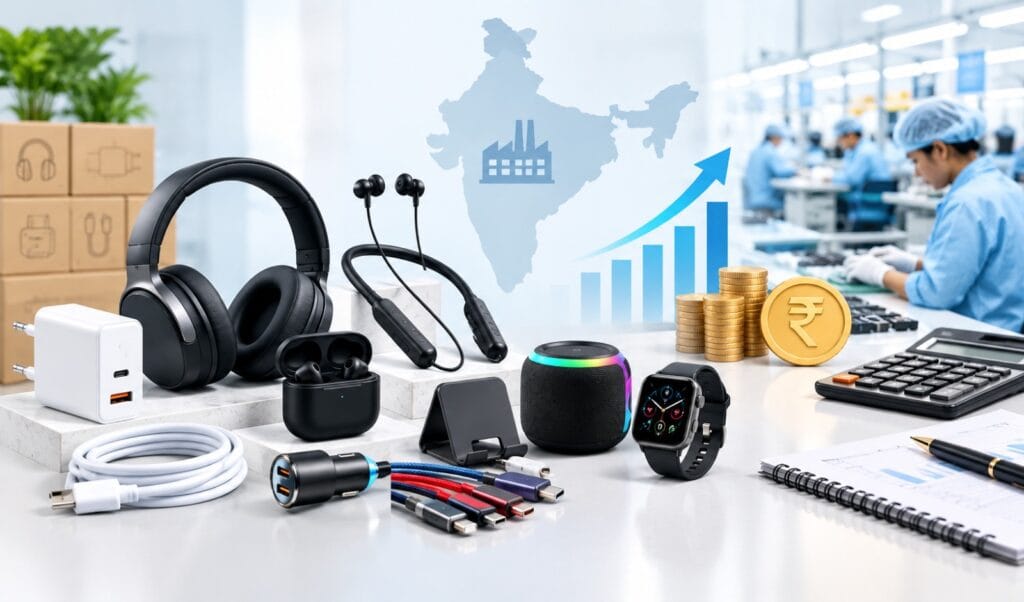
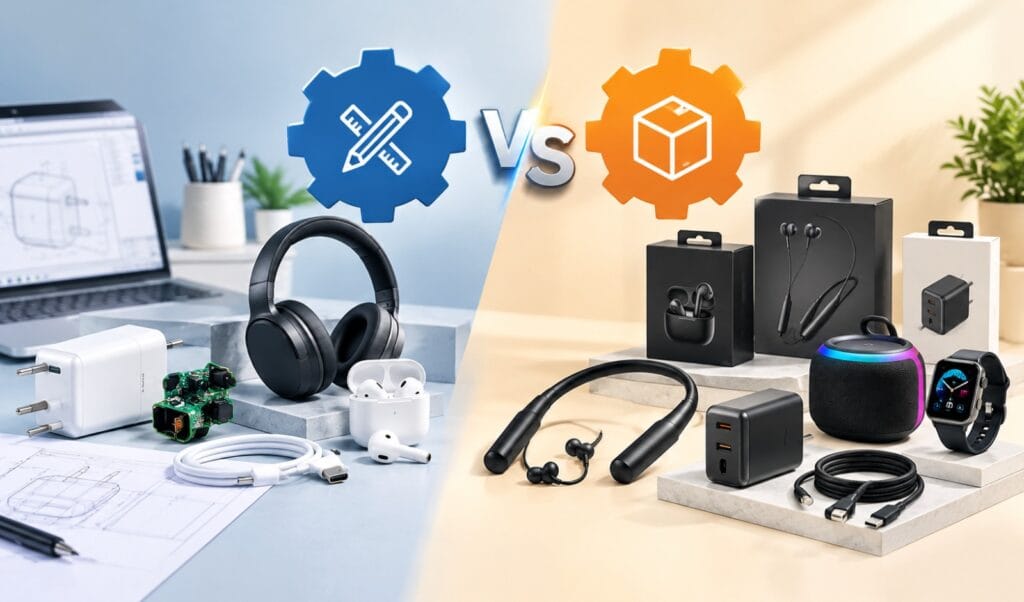
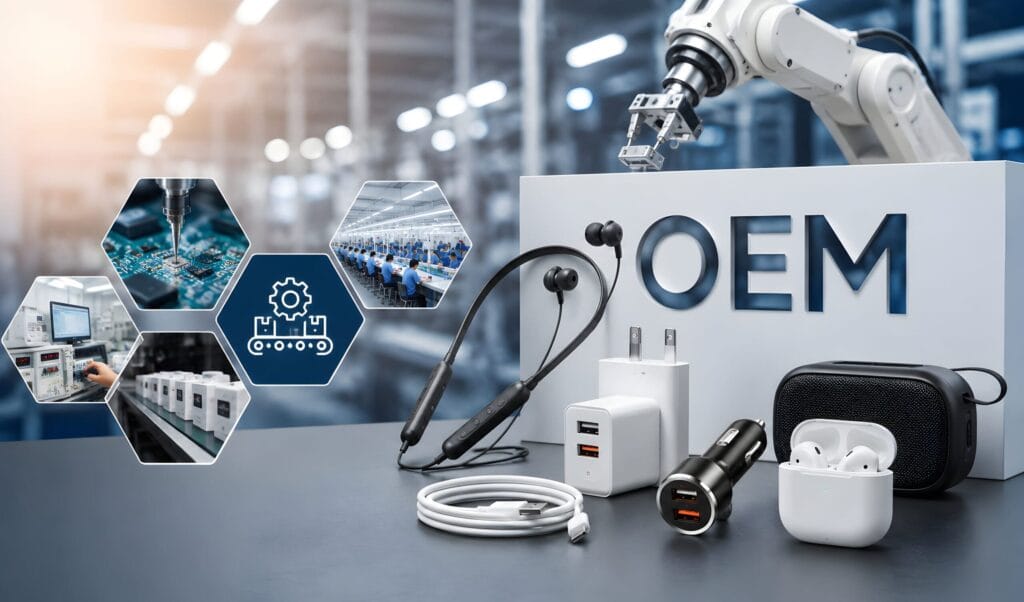
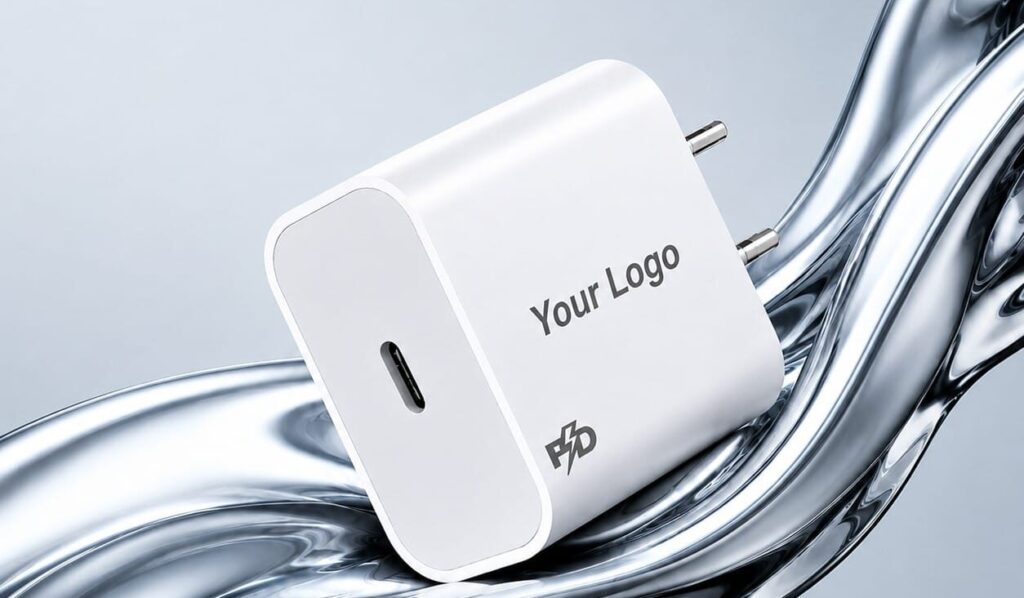
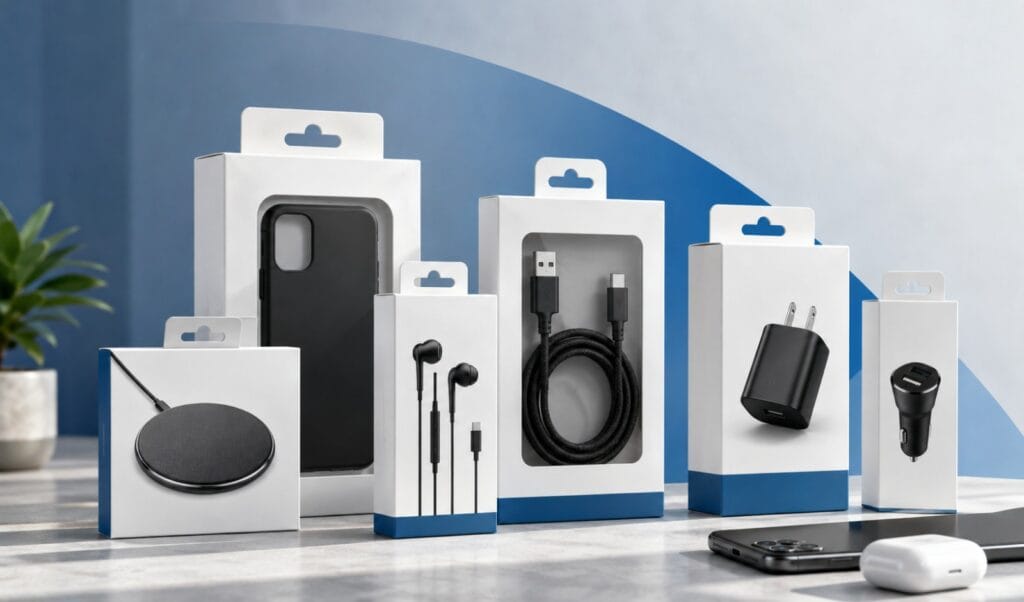
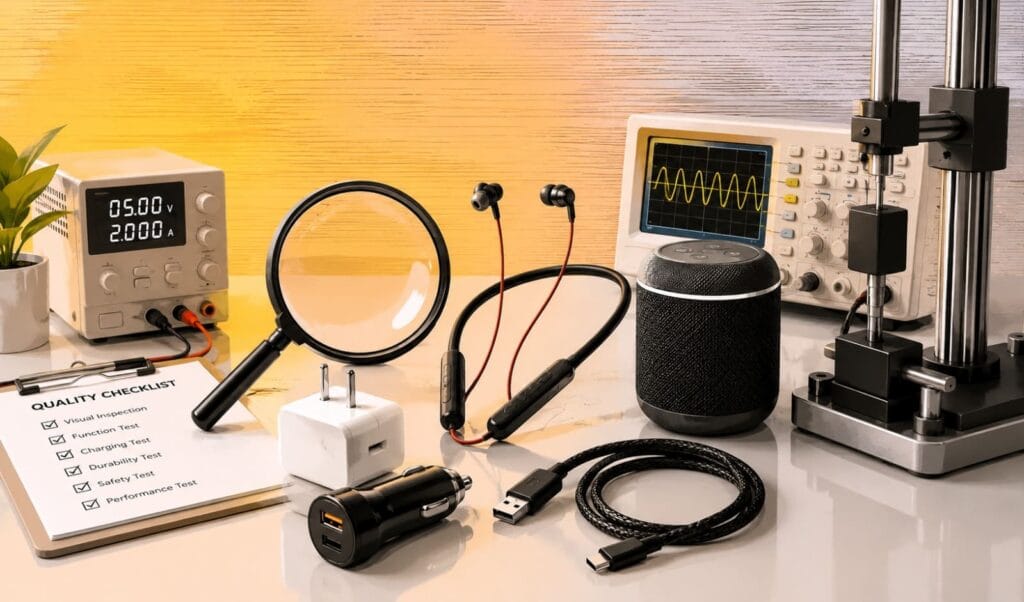
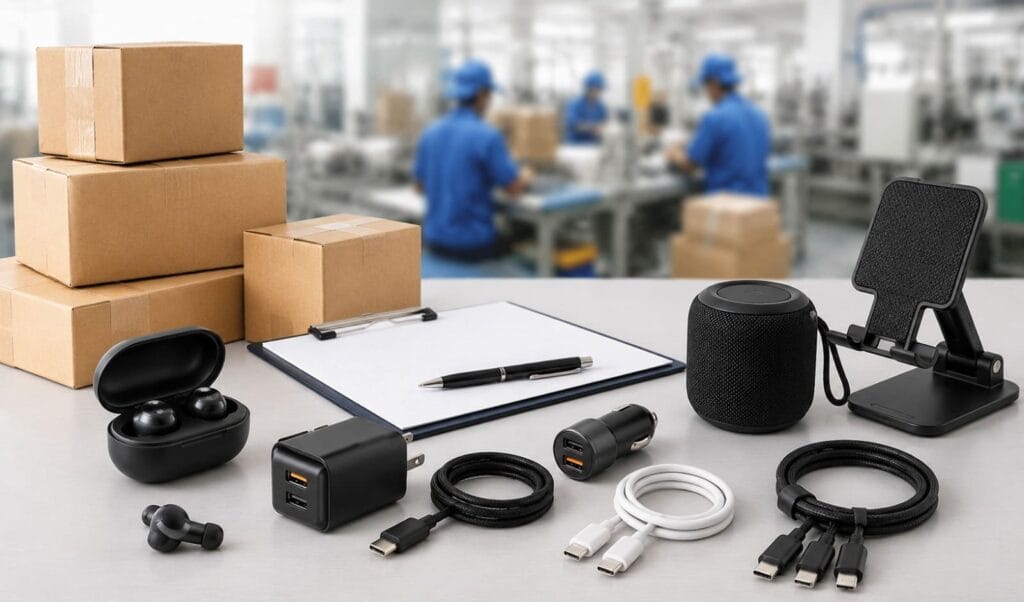
OEM Mobile Accessories: How to Select Products for Your Brand – Launching your own mobile accessories brand is an exciting opportunity, but selecting the right products is one of the most important decisions you will make. The mobile accessories market includes a wide range of products such as wireless earbuds, Bluetooth speakers, neckbands, mobile chargers, charging cables, car chargers, stands, wired earphones, and other everyday tech accessories. When working with an OEM mobile accessories manufacturer, you can customize products according to your brand requirements, packaging, specifications, colors, and target market. However, choosing products only because they are popular is not enough. You need to consider product demand, quality, pricing, features, competition, target customers, and long-term business potential. This guide explains how to select the right OEM mobile accessories for your brand and build a product range that can support your business growth. What Are OEM Mobile Accessories? OEM stands for Original Equipment Manufacturer. In OEM manufacturing, a manufacturer produces mobile accessories according to the requirements of another brand. For example, a business can work with an OEM manufacturer to source wireless earbuds with its own: Brand logo Product specifications Colors Packaging User manuals Product design requirements Retail box Accessories and included components Instead of manufacturing every component yourself, you can partner with an experienced OEM manufacturer and focus on branding, marketing, distribution, and sales. Why Product Selection Matters for Your Brand The products you select directly affect your brand’s reputation, customer satisfaction, margins, and repeat purchases. Choosing the wrong products can lead to: Low sales High return rates Customer complaints Excess inventory Poor reviews Reduced profit margins Difficulty competing in the market On the other hand, selecting products based on your target customers and market demand can help you create a stronger and more focused product portfolio. 1. Understand Your Target Customers Before selecting any OEM product, identify who you want to sell to. Different customers have different requirements. For example: Students and young consumers may prefer affordable earbuds, neckbands, charging cables, and compact speakers. Working professionals may look for reliable wireless earbuds, fast chargers, power accessories, and products suitable for calls and travel. Car users may be interested in car chargers, mobile holders, and dashboard or air-vent phone stands. Retail customers may prefer affordable products with attractive packaging and commonly requested features. Understanding your target customer helps you select products that have a clear purpose in your market. 2. Research Market Demand Market demand should be one of the first factors you consider. Before placing a bulk OEM order, research which accessories customers are actively purchasing. Look at: Search trends Online marketplaces Retail stores Competitor product ranges Customer reviews Social media trends Frequently requested features For example, if your target market has strong demand for wireless audio products, you could consider starting with OEM wireless earbuds, Bluetooth speakers, or Bluetooth neckbands. The goal is not to sell every type of accessory. The goal is to select products that have a realistic customer base. 3. Choose Products That Match Your Brand Position Your products should match the image you want your brand to create. If you want to build an affordable accessories brand, you may focus on: Entry-level earbuds Charging cables Basic chargers Wired earphones Affordable mobile stands If you want to create a premium technology brand, your product range may include: Premium wireless earbuds High-quality Bluetooth speakers Fast chargers Premium charging cables Advanced audio accessories A consistent product range makes it easier for customers to understand what your brand represents. 4. Start With a Focused Product Range One common mistake new brands make is launching too many products at once. Instead, consider starting with a small selection of products and gradually expanding your range. For example, an initial OEM product portfolio could include: Wireless Earbuds Bluetooth Neckband Bluetooth Speaker Mobile Charger Charging Cable Car Charger Mobile Stand Once you understand which products perform well, you can introduce additional models and variations. A focused range can also make inventory management, marketing, packaging, and quality control easier. 5. Evaluate Product Quality Carefully Price should not be the only consideration when selecting an OEM manufacturer or product. A low-cost product with poor quality can create customer complaints and damage your brand reputation. Evaluate factors such as: Material quality Build quality Battery performance Sound quality Charging performance Connector quality Durability Product finishing Packaging quality Safety and compliance requirements Always request samples before committing to a large production order. Testing samples gives you an opportunity to identify potential issues before the products reach your customers. 6. Compare Product Features Different models can have significantly different features. For wireless earbuds, for example, you may compare: Bluetooth version Battery capacity Total playtime Charging case capacity Microphone quality ENC or noise-reduction features Charging interface Touch controls Water resistance Fast charging For Bluetooth speakers, you might evaluate: Output power Battery capacity Bluetooth connectivity Playtime Charging interface RGB lighting Microphone functionality Portability Water resistance Choose features based on what your customers actually need rather than simply adding features to increase the specification list. 7. Consider Your Target Price Before selecting a product, determine the price range at which you want to sell it. Your target selling price should account for: Product Cost + Packaging + Shipping + Taxes/Duties + Marketing + Distribution + Retail Margin + Other Business Costs For example, if you want to sell an accessory in an affordable price segment, selecting an expensive OEM configuration may make it difficult to maintain your desired retail price. Discuss your target price with the manufacturer and determine which specifications can provide the right balance between quality and cost. 8. Check MOQ Requirements MOQ means Minimum Order Quantity. OEM manufacturers may have different MOQ requirements depending on: Product type Customization level Packaging Logo printing Color customization Product design Production requirements If you are starting a new brand, it is important to understand the MOQ before finalizing a product. Ask the manufacturer: What is the minimum order quantity? Is the MOQ different for customized packaging? Is logo printing included? Can
OEM Mobile Accessories: How to Select Products for Your Brand Read More »