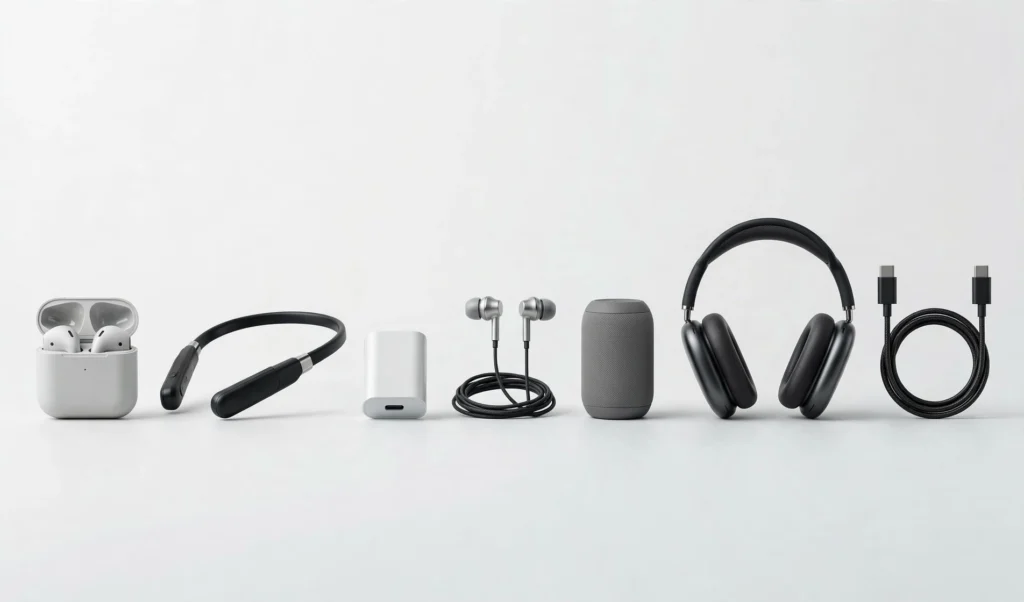
OEM Mobile Accessories Product Development: From Sample to Mass Production
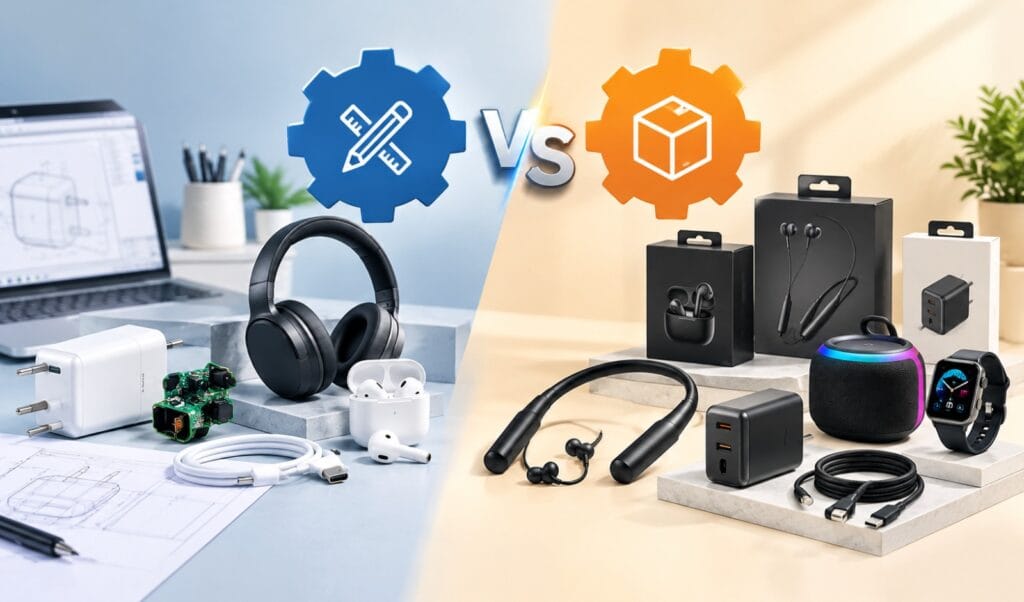
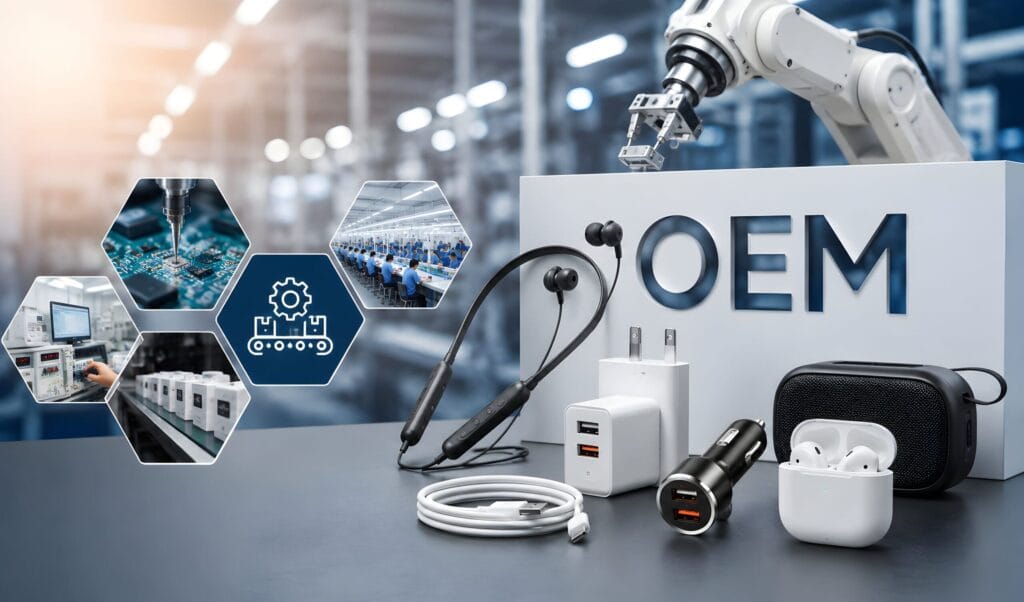
OEM Mobile Accessories Product Development: From Sample to Mass Production – Developing a mobile accessory for an OEM project involves much more than selecting an existing product and placing a logo on it. International brands, retailers and distributors often need products that match specific requirements for design, performance, branding, packaging and target-market needs. The OEM product development process typically starts with an initial product idea or reference sample and continues through product selection, customization, prototype development, sample approval, testing, packaging and finally mass production. A structured development process helps manufacturers and buyers reduce errors, control quality and prepare products for commercial launch. This guide explains the complete OEM mobile accessories product development process, from the first sample to mass production. What Is OEM Mobile Accessories Product Development? OEM mobile accessories product development is the process of creating or customizing a mobile accessory according to a buyer’s specifications. Depending on the project, the buyer may request: A completely new product design Modification of an existing product Custom technical specifications Custom colors and materials Brand logo placement Customized packaging Product-specific features Accessories and components Private-label branding Common products involved in OEM development include: Wireless earbuds Bluetooth speakers Bluetooth neckbands Wireless headphones Wired earphones Mobile chargers Car chargers Charging cables Multi charging cables Mobile stands Laptop stands Other mobile accessories The level of customization depends on the product, manufacturer capabilities, required investment and production quantity. Why Is Product Development Important for OEM Orders? A product development process helps ensure that the final product matches the buyer’s expectations before a large quantity is manufactured. Without proper development and sample approval, problems may appear during mass production, such as: Incorrect specifications Design differences Packaging errors Poor product performance Incorrect branding Component compatibility problems Quality inconsistencies A proper development process gives the buyer an opportunity to review and approve the product before committing to full-scale production. OEM Mobile Accessories Product Development Process The complete process can generally be divided into these stages: Product requirement Product research and selection Technical specification Initial sample Sample evaluation Product modification Prototype or final sample Testing and quality approval Branding and packaging Pre-production approval Mass production Final quality inspection Packaging and shipment Let’s understand each stage. Step 1: Define the Product Requirement The first stage is clearly defining what the buyer wants to manufacture. The requirement should include as much information as possible about the desired product. For example, for OEM wireless earbuds, the buyer may specify: Bluetooth version Battery capacity Playback time Charging port Driver size Microphone configuration Noise cancellation requirements Charging case design Product color Material Controls Packaging For a Bluetooth speaker, requirements may include: Speaker output Driver size Battery capacity Playback time Bluetooth version Charging port Microphone RGB lighting Product dimensions Product material Clear requirements help the manufacturer understand the project before development begins. Step 2: Product Research and Selection After receiving the requirements, the manufacturer can identify a suitable product platform or existing model. There are generally two approaches. Existing Product Customization The buyer selects an existing product and requests modifications. This can be suitable when the buyer wants: Faster development Lower development cost Lower MOQ Existing technology Customized branding Customized packaging New Product Development The buyer wants a product developed with more extensive customization. This may involve: New design New housing New components PCB modifications New functionality Customized firmware Custom packaging New product development can require more time, testing and development resources. Step 3: Finalize Technical Specifications Once the product direction is selected, the technical specifications should be documented. Specifications may include: Product dimensions Weight Material Battery capacity Charging time Playback time Bluetooth version Output power Driver size Charging interface Input and output specifications Connectivity Controls Compatibility Available colors The specifications should be finalized before the manufacturer begins the next stage. Step 4: Initial Sample Development The manufacturer prepares an initial sample based on the agreed product requirements. The first sample gives the buyer an opportunity to evaluate the basic product. The buyer can check: Product appearance Size Shape Material Color Build quality Functionality Technical performance User experience At this stage, the product may not yet represent the final production version. The purpose of the initial sample is to identify changes that may be required. Step 5: Sample Evaluation After receiving the sample, the buyer should carefully evaluate it. Evaluation can cover both physical and functional aspects. Physical Evaluation Check: Product dimensions Weight Surface finish Material quality Buttons Ports Hinges Logo placement Color Overall design Functional Evaluation Check: Charging Connectivity Battery performance Audio quality Controls Microphone Bluetooth connection Playback Other product-specific functions The buyer should prepare a clear list of changes instead of providing unclear feedback. Step 6: Product Modification Based on the sample feedback, the manufacturer makes the required modifications. Changes can include: Product color Material Housing Button design Logo placement Battery capacity Component selection Charging port Sound tuning Product functionality Packaging The number of development rounds depends on the complexity of the product and the amount of customization required. Step 7: Final Sample or Prototype Approval After modifications are completed, the manufacturer prepares another sample. This sample should be closer to the final production version. The buyer should confirm: Product design Specifications Performance Branding Color Material Accessories Packaging concept Once the buyer approves the final sample, the manufacturer can prepare for mass production. Step 8: Product Testing Testing is an important part of the product development process. Depending on the product, testing may cover: Charging performance Battery performance Bluetooth connectivity Audio performance Product durability Power output Temperature behavior Port functionality Button operation Wireless performance For products intended for international markets, additional testing or certification requirements may apply depending on the destination country and product category. The buyer should identify applicable market requirements before finalizing the product. Step 9: Branding and Logo Customization After product specifications are finalized, the branding requirements can be confirmed. Logo placement may be applied using methods such as: Printing Laser engraving Embossing Debossing Metal logo Sticker or label The appropriate method depends on the product material, surface and desired
OEM Mobile Accessories Product Development: From Sample to Mass Production Read More »