OEM Mobile Accessories Quality Control: How Manufacturers Ensure Product Quality
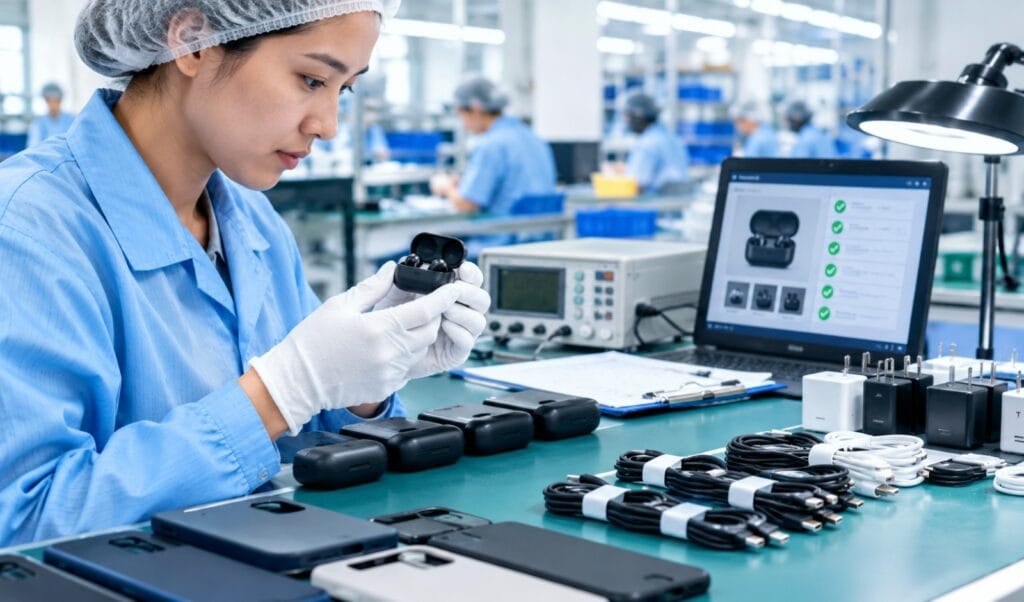
OEM Mobile Accessories Quality Control: How Manufacturers Ensure Product Quality – Quality is one of the most important factors when manufacturing mobile accessories for international brands, retailers and distributors. A product may have an attractive design and competitive price, but inconsistent quality can lead to customer complaints, returns, negative reviews and damage to a brand’s reputation. For this reason, OEM mobile accessories manufacturers use quality control procedures at different stages of the manufacturing process. Quality checks can begin with incoming components and continue through production, final inspection, packaging and shipment. Products such as wireless earbuds, Bluetooth speakers, neckbands, chargers and charging cables can have different testing requirements depending on their design and technical specifications. This guide explains how manufacturers approach OEM mobile accessories quality control, what is checked during production and how buyers can establish quality standards for OEM orders. What Is Quality Control in OEM Mobile Accessories Manufacturing? Quality control is the process of checking products and manufacturing processes to ensure that the finished goods meet predefined specifications and quality requirements. For an OEM order, quality standards should ideally be agreed between the buyer and manufacturer before mass production begins. These standards may cover: Product design Dimensions Materials Color Technical specifications Product performance Functionality Branding Packaging Accessories Quantity The exact quality-control process depends on the product category and the buyer’s requirements. Why Quality Control Is Important for OEM Mobile Accessories Quality control helps identify manufacturing problems before products reach customers. Effective quality checks can help reduce: Product defects Functional failures Packaging errors Incorrect specifications Quantity discrepancies Customer complaints Product returns Inconsistent production batches For international brands, quality consistency is particularly important because products manufactured under the same brand name should provide a consistent customer experience. OEM Mobile Accessories Quality Control Process A typical quality-control process can include several stages: Supplier and component evaluation Incoming material inspection First sample inspection In-process quality control Functional testing Product assembly inspection Branding inspection Packaging inspection Final quality inspection Pre-shipment inspection Not every manufacturer uses exactly the same process, and testing requirements can vary by product. Step 1: Define Quality Standards Before Production The first step is establishing clear quality standards. The buyer and manufacturer should agree on what the finished product should look like and how it should perform. A quality specification can include: Product dimensions Weight Material Color Battery capacity Charging time Playback time Bluetooth version Output power Charging port Driver size Connectivity Accessories Packaging For example, an OEM Bluetooth speaker project may specify the required output power, battery capacity, playback time, charging interface and product dimensions. A clear specification gives the production team a reference for quality checks. Step 2: Incoming Material Inspection Before production begins, components and raw materials may be inspected. Depending on the product, materials can include: Electronic components Batteries PCBs Speakers Drivers Charging connectors Cables Plastic housings Metal components Packaging materials The inspection can help identify damaged, incorrect or unsuitable components before they enter the production process. Step 3: First Sample Inspection Before large-scale production, the manufacturer can inspect the first production sample. The sample is compared against the approved product specifications and reference sample. The inspection can include: Product appearance Dimensions Materials Color Logo placement Functional performance Components Packaging The first sample can provide an early indication of whether production is following the approved specifications. Step 4: In-Process Quality Control Quality control should not only happen after production is complete. In-process inspections can be carried out during manufacturing. Production teams may check: Assembly Component placement Soldering Product housing Buttons Charging ports Wiring Product alignment Branding Identifying problems during production can allow manufacturers to correct the issue before a larger quantity is completed. Step 5: Functional Testing Functional testing is particularly important for electronic mobile accessories. The exact tests depend on the product. For wireless earbuds, testing may include: Bluetooth connectivity Left and right channel operation Charging Touch controls Microphone Battery performance Audio output For Bluetooth speakers, testing may include: Bluetooth connection Audio output Speaker performance Charging Buttons Microphone Battery operation Other product-specific functions For chargers, testing may include: Input Output Charging functionality Port operation Protection features where applicable For charging cables, testing can include: Charging performance Connector fit Data transfer where applicable Cable construction Connector quality Step 6: Battery and Charging Checks Many wireless accessories contain rechargeable batteries. Products such as earbuds, neckbands and Bluetooth speakers may require battery-related quality checks. Depending on the product, checks can include: Battery capacity Charging behavior Charging time Battery operation Charging port Power management Product operating time Battery-related testing and transportation requirements can vary depending on the product and destination market. Step 7: Appearance Inspection A product can be technically functional but still fail visual quality requirements. Appearance inspections may check: Scratches Dents Cracks Color differences Surface finish Mold marks Assembly gaps Logo placement Printing quality Product alignment This is especially important for branded products because the product’s appearance directly affects the customer’s perception of the brand. Step 8: Dimensions and Weight Inspection For OEM products, dimensions and weight can be part of the approved specifications. Manufacturers may check: Product length Width Height Weight Component dimensions Packaging dimensions Maintaining consistent dimensions can be important for packaging, transportation and product compatibility. Step 9: Branding and Logo Inspection OEM products are manufactured for a specific brand, so branding accuracy is important. Quality control may verify: Logo position Logo size Logo color Printing quality Engraving quality Brand name Model number Product labels The finished product should match the approved branding artwork or sample. Step 10: Packaging Quality Control Packaging should also be inspected before products are shipped. Checks may include: Box quality Printing Product information Logo Barcode User manual Accessories Product tray Labels Carton condition Packaging errors can affect a large number of products if they are not identified before shipment. Step 11: Final Product Inspection After production is completed, a final inspection can be carried out before shipment. The final inspection can cover: Product Appearance Color Surface finish Logo Physical damage Assembly Functionality Charging Connectivity Buttons Audio Battery Ports Other product-specific
OEM Mobile Accessories Quality Control: How Manufacturers Ensure Product Quality Read More »